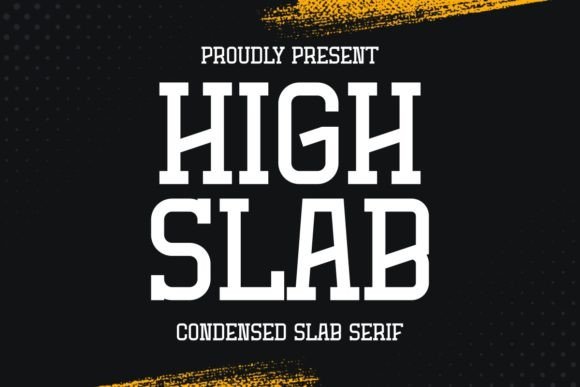
High Slab: Bold, Elegant, and Versatile
High Slab is a modern slab serif font that blends strength with sophistication. Its clean, bold design makes it ideal for creating eye-catching text in a variety of projects. Whether you're designing for print or digital media, High Slab adds a touch of class and confidence to any layout.
What Makes High Slab Unique?
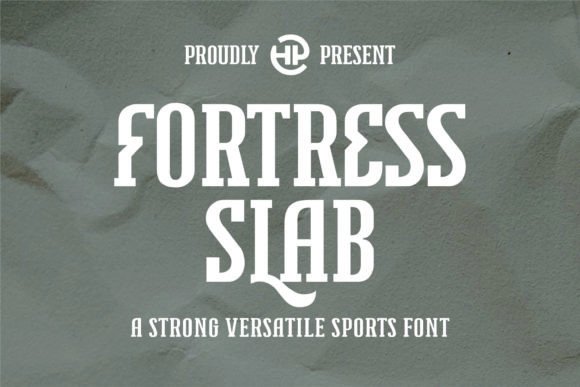
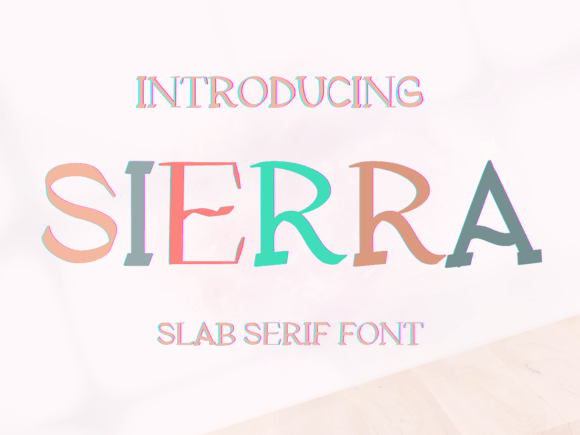
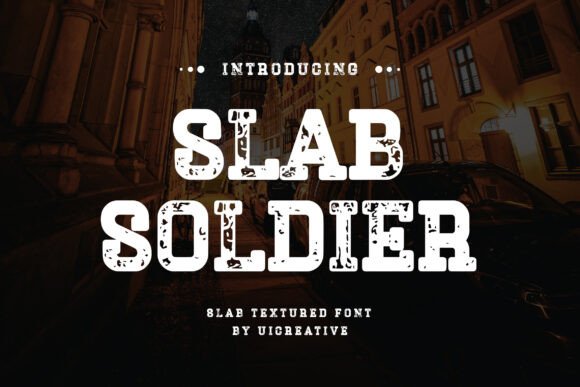
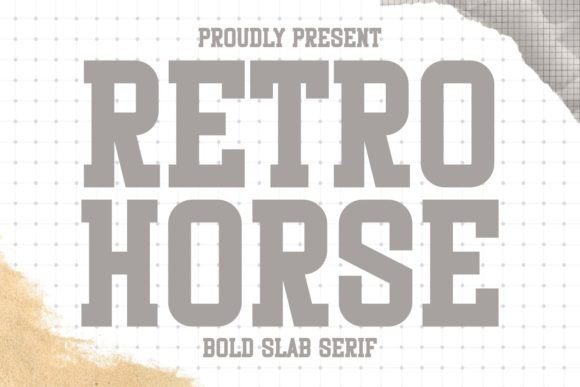
High Slab stands out because of its condensed structure and strong visual presence. Unlike traditional serif fonts, which often feel more formal or old-fashioned, High Slab feels contemporary and adaptable. The font’s bold strokes and minimal detailing give it a sleek appearance that works well in both large headlines and smaller text elements.
Its condensed shape also allows for more text in less space, making it a great choice for designs where space is limited. This feature is especially useful when working on t-shirts, mugs, or tote bags, where the message needs to be clear and impactful without taking up too much room.
Why Use High Slab?
If you're looking for a font that can elevate your creative work, High Slab is an excellent option. It’s perfect for designers, marketers, and entrepreneurs who want to make a statement with their visuals. The font’s combination of elegance and power makes it suitable for a wide range of applications.
For example, if you’re creating a motivational quote for social media, High Slab can add a sense of authority and professionalism. Similarly, if you're designing a logo or branding material, the font’s boldness helps it stand out while maintaining a refined look.
Practical Uses for High Slab
High Slab is versatile enough to fit into many different scenarios. Here are some common use cases:
- T-shirt Designs: Use High Slab to create bold, readable text on shirts. Its condensed form allows for longer phrases without overcrowding the design.
- Mug and Tote Bag Graphics: The font’s clean lines make it ideal for printing on everyday items. It ensures readability while adding a stylish edge.
- Headlines and Titles: High Slab works well as a headline font in presentations, posters, or website banners. Its bold nature draws attention and sets the tone for the content below.
- Branding Materials: Businesses looking to convey strength and reliability can use High Slab in logos, business cards, or signage.
When to Choose High Slab
High Slab is best suited for projects that require a strong, confident visual identity. If your goal is to communicate clarity, power, or refinement, this font can help achieve that. However, it may not be the best choice for more casual or playful designs, where a softer or more whimsical font might be more appropriate.
Consider the context of your project before choosing High Slab. For instance, if you're designing something for children or a very informal audience, a more rounded or script-style font could be more effective. But for professional, high-impact designs, High Slab is a solid choice.
How to Get Started with High Slab
If you're new to using High Slab, start by experimenting with different sizes and placements. Try using it in a headline to see how it looks alongside other fonts. You can also test it in various formats, such as print versus digital, to understand how it performs in different environments.
Many design platforms, like Adobe Creative Cloud, Canva, and Figma, offer access to High Slab through their font libraries. If you're using a platform that doesn’t include it by default, you can usually download and install the font manually.
Things to Keep in Mind
Before using High Slab, there are a few considerations to keep in mind. First, ensure that the font is licensed properly for your intended use. Some fonts are free for personal use but require a license for commercial projects.
Also, remember that High Slab’s condensed style may affect readability in small sizes. Test it at different sizes to make sure it remains legible. Finally, don’t hesitate to pair it with other fonts to create contrast and balance in your designs.
High Slab in Real-World Projects
Let’s look at a few examples of how High Slab can be used effectively:
- Business Card: A designer might use High Slab for the name and title on a business card to create a strong first impression.
- Social Media Post: A marketing team could use High Slab for a post promoting a new product, making the headline stand out against background images.
- Book Cover: An author might choose High Slab for a book title to give it a modern, authoritative feel.
These examples show how flexible and effective High Slab can be when used thoughtfully.
Conclusion
High Slab is more than just a font—it’s a tool that can enhance your creative work and help you communicate your message more effectively. Its bold, elegant design makes it a valuable asset for anyone involved in design, branding, or content creation. Whether you're a beginner or an experienced designer, High Slab offers a unique way to add impact and style to your projects.